This is (I hope) a complete list of all the quotations – and some references made – in The Fugitive’s Sword. Where a quote or reference has been fully explained in the text it is not always included here. Longer quotations I have only given the opening, or the first two lines of a song or poem. The quotations are listed in order of appearance.
The quotations in this book come from many sources of the period and earlier. Please note, unless otherwise stated, all Biblical quotations are taken from the King James Version.
Any mistakes in my attributions or missing quotations, please do let me know.
I had no father, I am like no father;
I have no brother, I am like no brother…
From Henry VI, Part 3 by William Shakespeare, Act 5, Scene 6
And as in fury of a dreadful fight,
Their fellows being slain or put to flight…
From Hero and Leander by Christopher Marlowe, the First Sestiad
Love maketh lean the fat men’s tumour,
So doth tobacco.
From Tobacco is like love by Tobias Hume
When he hath tried me, I shall come forth as gold.
Job 23:10
Go you before, and I will follow you
from Richard III, by William Shakespeare, Act I, Scene i
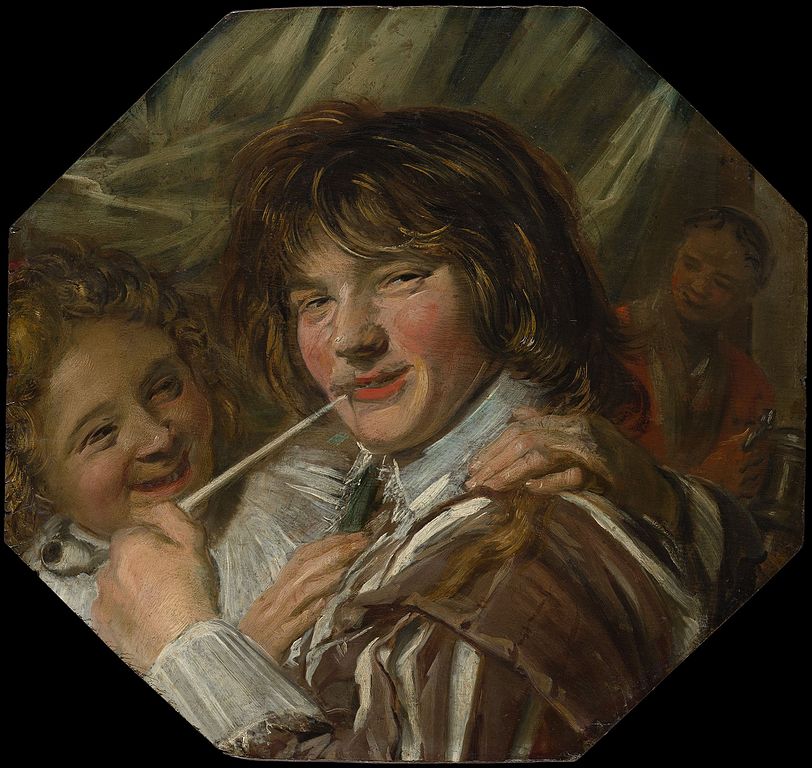
(MET, 89.15.34)
I’ll follow you oure moss and muir,
I’ll follow you oure mountains many
From Glasgow Peggie Child Ballads No.228
Manduce and the Gastrolaters
Manduce is a wooden statue worshipped by the Gastrolaters with massive banquets in Gargantua and Pantagruel by François Rabelais
Back and side go bare, go bare;
Both foot and hand go cold;
from Gammer Gurton’s Needle, by John Still
Ad unguem, upsie freeze
To the fingernails, drink like the Frisians (get very drunk)
From The Case is Altered, Ben Johnson Act IV Scene iii
Farewell, adieu, that courtly life,
To war we tend to go;
Haltersick’s Song from The Interlude of Vice (Horestes), by John Pickering
Nor Flaunders chere lettes not my syght to deme
Of blacke, and white, nor takes my wittes away
From Of the Courtiers Life written to Jhon Poins, by Sir Thomas Wyatt, Tottel’s Miscellany
¡Aquí! ¡Ayúdame!
Here! Help me!
¿Quién?
Who (are you)?
Mi nombre es Schiavono y soy un teniente, un soldado del Marqués.
My name is Schiavano and I am a lieutenant, a soldier of the Marques
Sancta María, Mater Dei, ora pro nobis peccatoribus nunc et in hora mortis nostrae
Holy Mary, Mother of God, pray for us sinners, now and at the hour of our death
Part of the Hail Mary prayer.
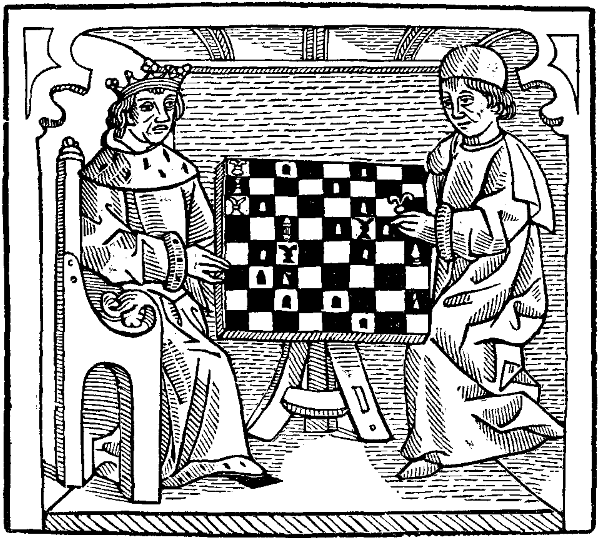
An allegory about the ranks of social structure by William Caxton
Project Gutenberg
Like a lightning from the sky,
Or an arrow shot by Love,
From The Fortunate Isles and their Union by Ben Jonson
Performed for King James I/VI (a day late) as the Twefth Night Masque 1624/25.
We must let the birds sing whatever may come into their little heads.
Quoted in Pandora Sextae Aetatis (The Pandora of the Sixth Age) by Theophilus Schweighart (Daniel Mögling) Part I, Preface.
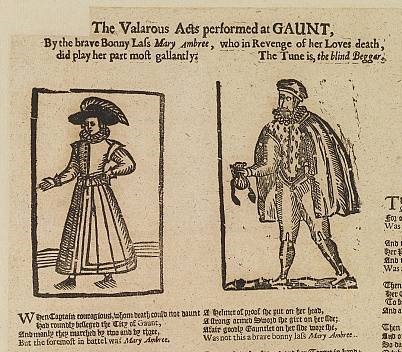
When captaines couragious, whom death cold not daunte,
Did march to the siege of the citty of Gaunt,
From The valorous acts performed at Gunt by the brave bonnie lass Mary Ambree, who in revenge of her lovers death did play her part most gallantly, author unknown. Preserved by Thomas Percy in the Pepys Collection
Molto coraggiosa
Very brave
And may thy subjects’ hearts be all one flame,
Whilst thou dost keep the earth in firm estate…
From The Fortunate Isles and their Union by Ben Jonson
Performed for King James I/VI (a day late) as the Twefth Night Masque 1624/25.
Stay not; fly, whilst thou art blest and free.
From Timon of Athens by William Shakespeare and Thomas Middleton, Act 4, scene 3
What can it avail
To drive forth a snail,
From Colin Cloute by John Skelton
Now Sea-men Pylots leave the Land,
Card and Compasse take in hand:
From Gallants to Bohemia or, Let vs to the warres againe shewing the forwardnesse of our English souldiers, both in times past, and at this present, author unknown.
Sleep that knits up the ravell’d sleeve of care,
The death of each day’s life, sore labour’s bath,
From Macbeth by William Shakespeare, Act II Scene ii
Set me whereas the sun doth parch the green
Or where his beams do not dissolve the ice,
From Sonnet 8 by Henry Howard, Earl of Surrey
Dira necessitas
Dire necessity
No, ’tis not so deep as a well, nor so wide as a church-door
From Romeo and Juliet by William Shakespeare, Act 3, Scene 1
Naelden! spellen! trompen! bellen!
Ic wil mijn merse hier neder stellen,
Laet zien of ic vercopen can
‘Needles! Spells! Trumpets! Bells!
I want to put my pack down here,
Let me see if I can sell.’
Song from the Gruuthuse manuscript Het soude een scamel mersenier (It would teach a peddler).
A poor soule sat sighing under a sicamore tree;
O willow, willow, willow!
From The Willow Song an anonymous ballad
Onde è necessario ad un principe, volendosi mantenere, imparare a potere essere non buono, ed usarlo e on usarlo secondo la necessità – A great man may seem to be good, but that is all. He cannot truly be good because it is necessary at times to do things that are not at all good.
From The Prince by Niccolò Machiavelli
The weight of this sad time we must obey;
Speak what we feel, not what we ought to say.
From King Lear by William Shakespeare, Act V, Scene 3
To make black white, foul fair, wrong right, base noble, old young, coward valiant
From Timon of Athens by William Shakespeare and Thomas Middleton, Act 4, scene 3
Mo bhean álainn
My beautiful wife

Jacob Gerritszoon Loef (1605/1607 – 1683/1685)
Royal Museums Greenwich, Wikimedia Commons
 Eleanor Swift-Hook