Some interesting things about the book…
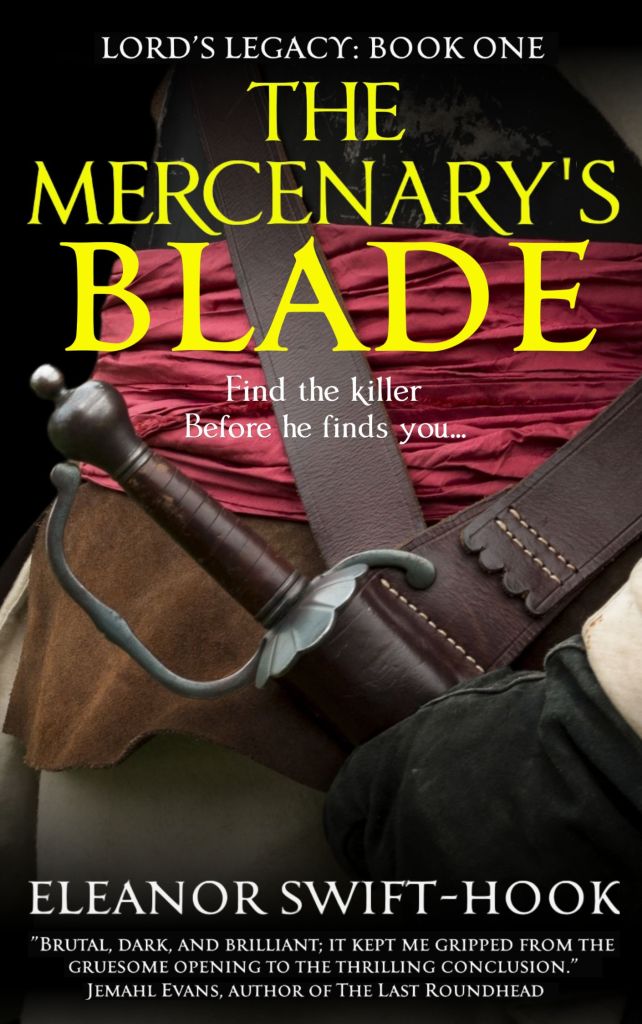
The original, working title, of this book, was The Cat’s Head.
***
The Schiavona for which Philip Lord is named is a very distinctive sword type of the era.
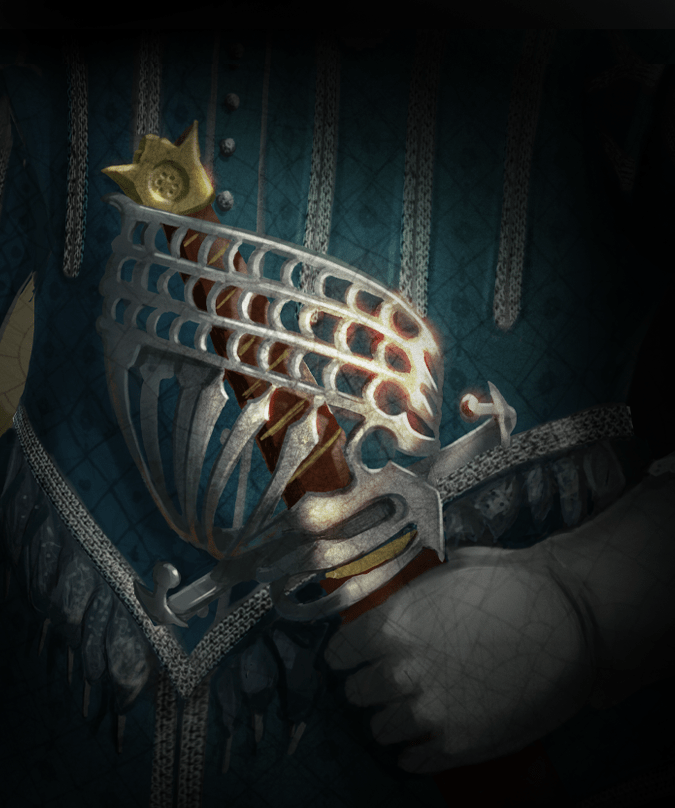
If you would like to learn more about the origins and development of the Schiavona, you can read my blog piece on the topic: The Most Beautiful Swords in the World…
***
Weardale lies to the east of the Pennines and much of it lies within a designated Area of Outstanding Natural Beauty.
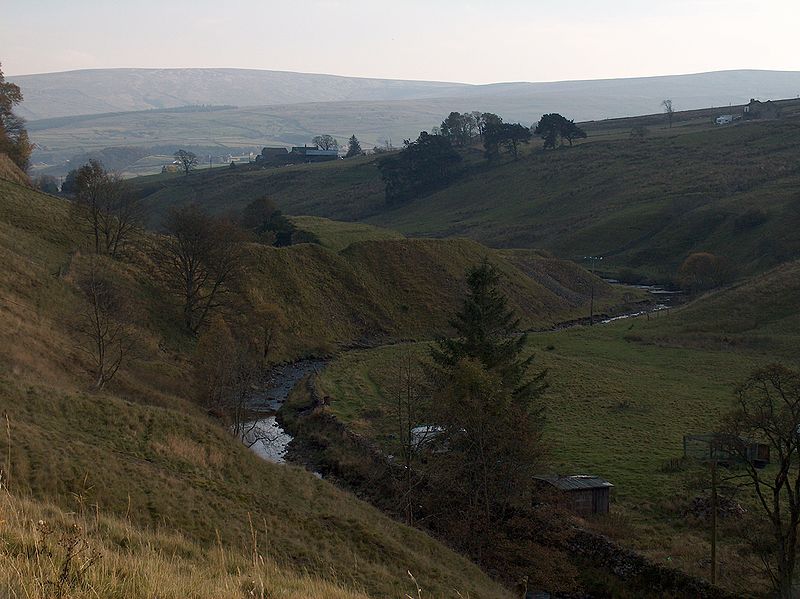
Jcolemanwearhead, Public domain, via Wikimedia Commons
Lead mining took place there for centuries, with the Bishops of Durham granted all rights over it in the Twelfth Century and the Moormaster managed the leasing of the mines and his agents dealt with the collection of the ore.
Sadly, the records for our period have been lost but those from the early 1660s show that after paying out the tithes and rents due to the bishop, the Moormaster was making £2000 in profit – which is around £230,000 today.
***
The Boy of Bilston (or Bilson) is a historical story.
It was recorded in a book by Richard Baddley in 1622, who attributed the fraud to Catholic priests attempting to win converts by showing their power to exorcise evil spirits.
In this case, a boy called William Perry managed to have a certain Joan Cox arrested and accused of witchcraft for having bewitched him.
Bishop Morton investigated and the case was declared fraudulent in October 1620. You can read Baddley’s account of The Boy of Bilston for yourself.
I also explore it further in my blog piece Daemonologie, Duplicity and Doubt: 17th Century Witchcraft Exposed.
***
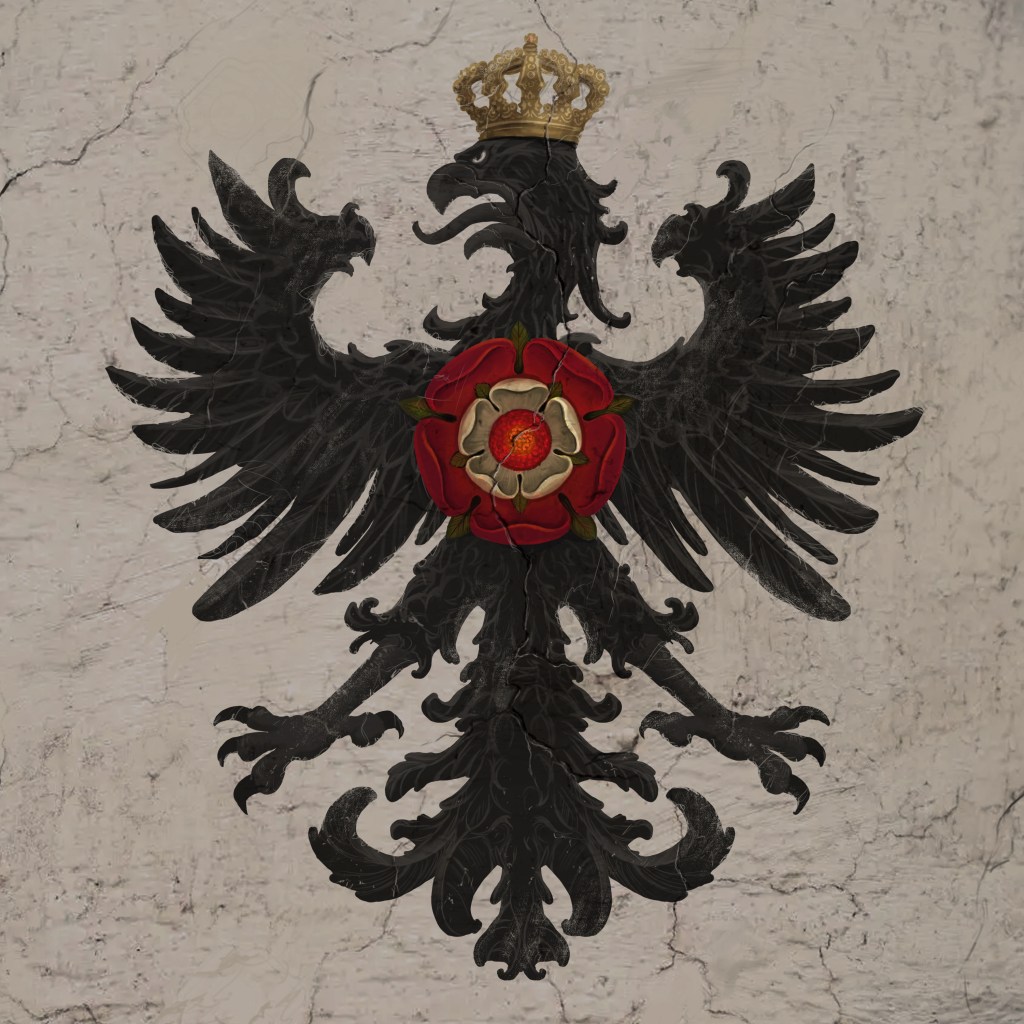
From the ceiling of a chamber in Howe Hall…
 Eleanor Swift-Hook
