Some interesting things about the book…
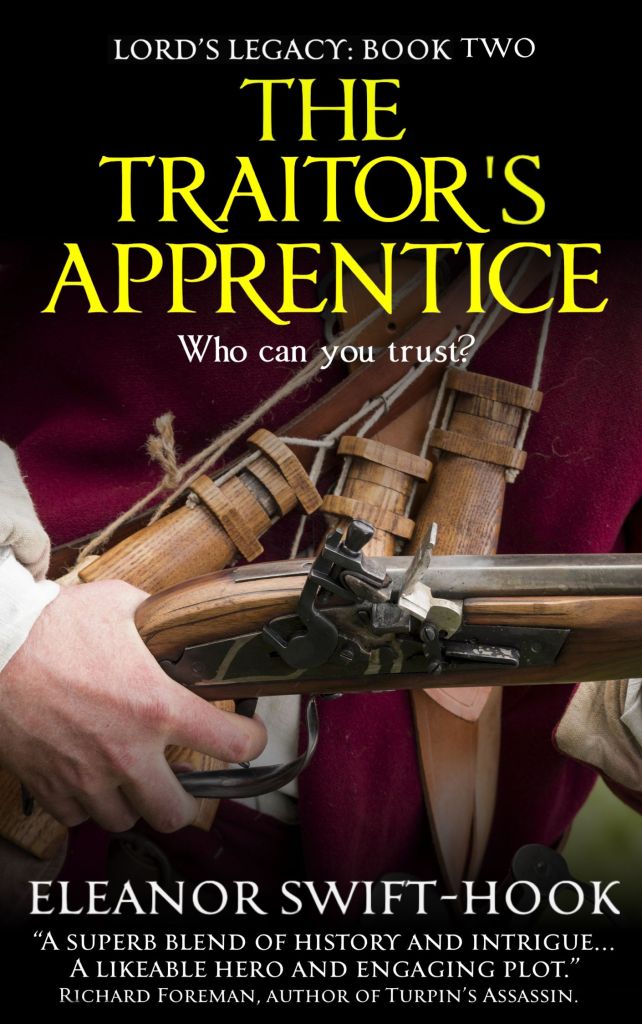
The original, working title, of this book, was The Magpie’s Talons.
Whilst Wrathby is an entirely fictitious house, it was to some degree inspired by a real house built around a peel tower.
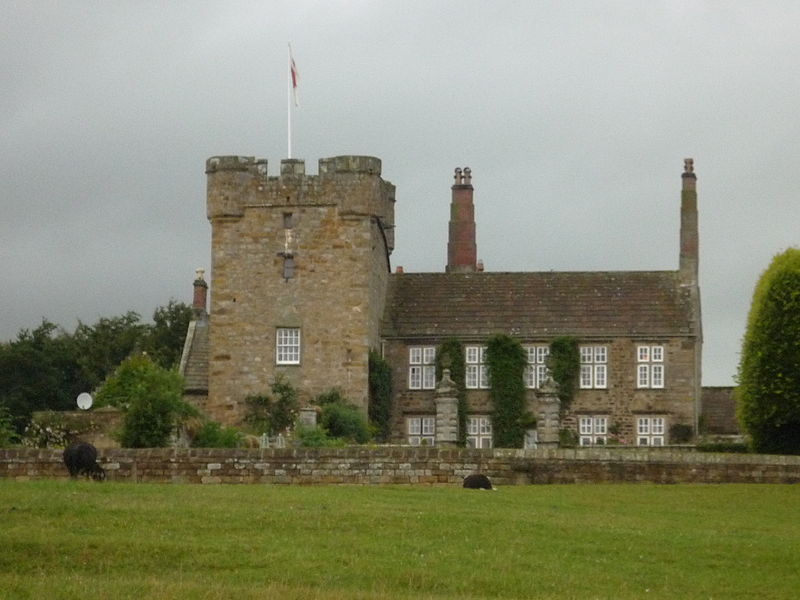
Roger W Haworth, CC BY-SA 3.0, via Wikimedia Commons
Halton Castle is in Northumberland and was built as a peel tower in the Fourteenth Century. A house was first built out from the tower in the Fifteenth Century and then another wing (the one visible in this picture) was added in the late Seventeenth Century. The house is privately owned.
Ryedale is in North Yorkshire and edges onto the Yorkshire Dales.
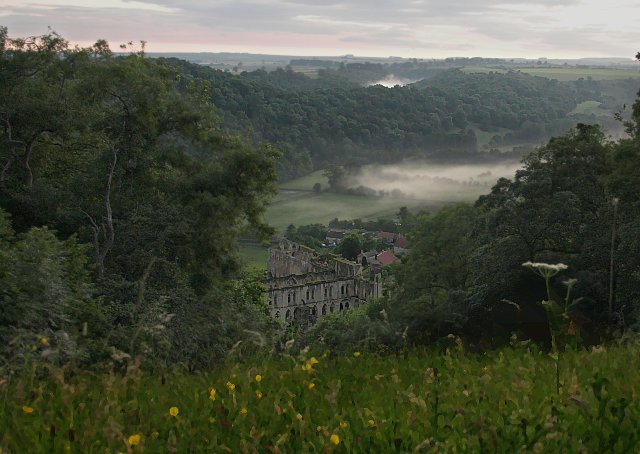
colin grice, CC BY-SA 2.0, via Wikimedia Commons
Peruvian coca, from which cocaine is refined, was known in Western Europe – especially in Spain and Portugal from the 16th Century onwards. The Incas chewed the leaves andThe Spanish tried to prevent its use by the Incas, then realised how potent it was in keeping their Incan workers labouring intensively. However, there is little reference to it in European pharmacopoeia of the era. John Gerard possibly makes reference to it in his Herball, or Generall historie of plantes when he writes about ‘Henbane of Peru’ which includes different varieties of tobacco.
That it was used in England at this time is shown by some clay pipes found in Stratford-upon-Avon dating from the early 17th Century which were analysed and the results showed the presence of Peruvian coca leaves (Thackeray F. Shakespeare, plants, and chemical analysis of early 17th century clay ‘tobacco’ pipes from Europe. S Afr J Sci. 2015). So it is perhaps not too much to belive a creative and experimental physician such as Ander’s Jensen might have had access to some, perhaps as ground leaves similar to ypadú.
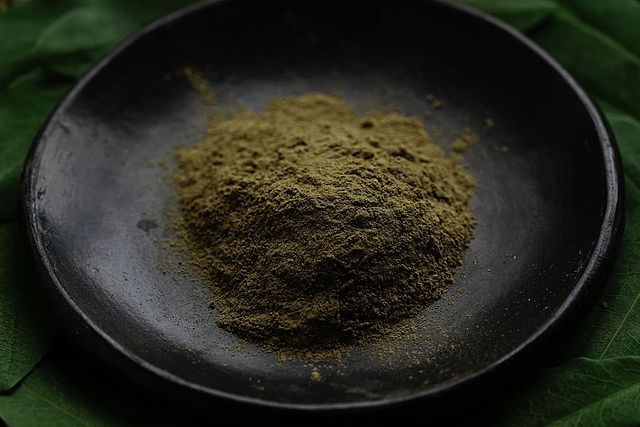
Crista Castellanos, CC BY-SA 4.0, via Wikimedia Commons
 Eleanor Swift-Hook


