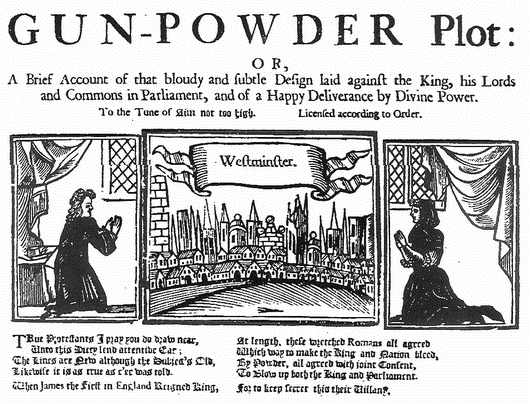
Don’t you Remember,
The Fifth of November,
‘Twas Gunpowder Treason Day…
In England we still remember and it is a very active tradition to have a bonfire and fireworks on the Fifth of November, though less so in some other parts of the UK.
The main events of the 1605 Gunpowder Plot are well known. Guido Fawkes and his fellow conspirators plotted to blow up the House of Lords during the State Opening of Parliament as King James, his queen, his eldest son, and all members of the Lords and the Commons would be in the chamber. The plot was famously thwarted when Guido Fawkes was found with the barrels of gunpowder. What is much less well known is that a large element of the plot was to seize King James’ nine-year-old daughter from Coombe Abbey where she was living at the time and place her on the throne after her parents and older brother had been killed. At this time Prince Charles was considered sickly and largely disregarded as an heir.
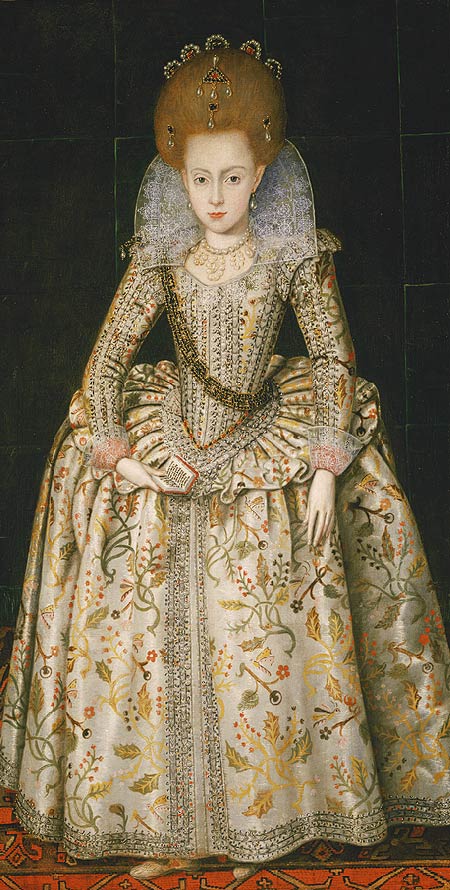
The conspirators believed they would be able to shape the princesses’ young mind to their own Catholic beliefs and that the people would welcome another Queen Elizabeth. Had they succeeded in kidnapping her and the Gunpowder Plot to blow up her family had still failed, who knows what they might have done with her. Indeed had it not been for the quick wit and decisive action of one man, they might have succeeded. Elizabeth was very nearly kidnapped from the Warwickshire house, but her guardian, Lord Harington saved the day.
He had seen signs of a plot brewing when he received an urgent letter from the stablemaster at Warwick Castle saying all his ‘great horses’ had been taken by a known Catholic. These ‘great horses’ were specially bred cavalry horses, weapons of war in their own right and the fact a Catholic had taken them suggested there was some plan to use them as such. Fears of a Catholic uprising had haunted Queen Elizabeth and now came home to roost on the shoulders of her young namesake.
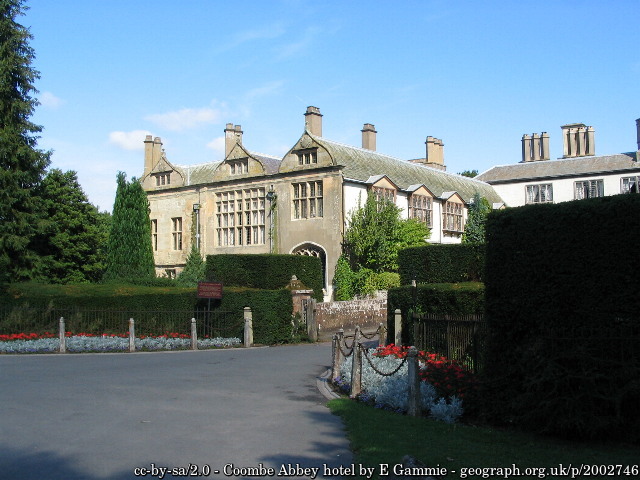
Harington acted fast and foiled any attempt to seize his charge by sending her from Coombe Abbey to shelter in near-by Coventry. He was only just in time as the conspirators arrived ‘but two hours too late to have seized upon the person of the Lady Elizabeth’s grace’. We still have a letter he wrote, in evident haste and desperation, reporting what he was doing to ensure the safety of his royal charge.
Elizabeth did indeed go on to become a queen, but Queen of Bohemia not England, for all she was heir to Charles I for five years. Soon after that she became ‘the Winter Queen’, so called because she and her husband lost their thrones barely a year after having been given them. But that is another story .
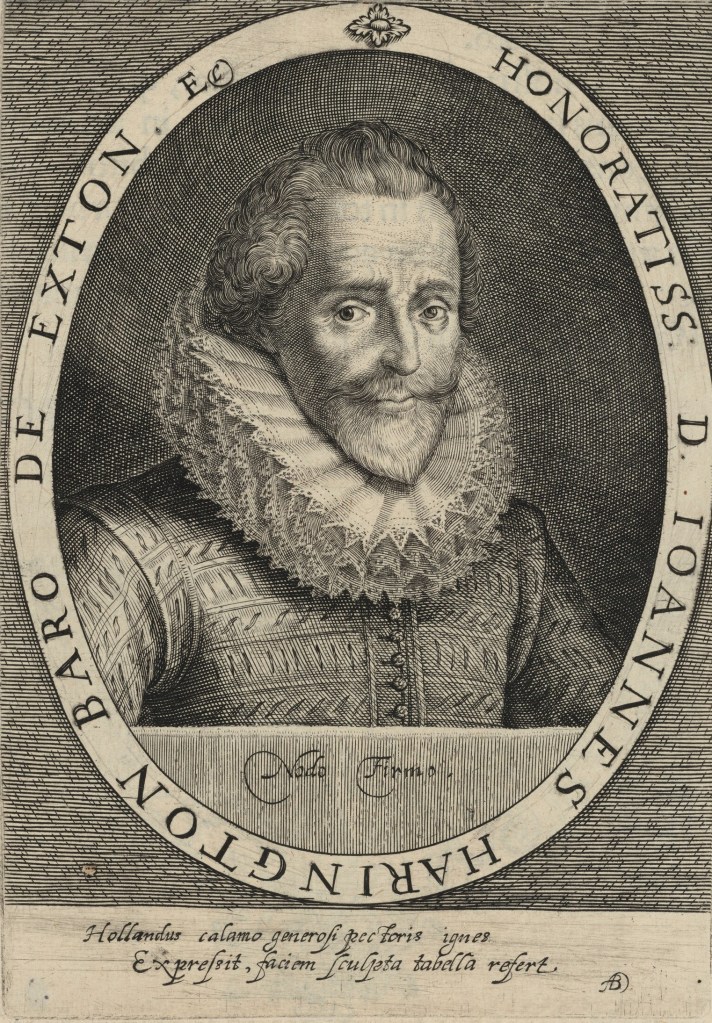
So if you are holding or attending a Bonfire Night event this year, I hope you will take a moment to raise a glass to Lord Harington, a forgotten hero of those famous events!
Readers of my books will recognise the Harington’s as the family that would be granted Kate’s wardship and raise her like a daughter in company with the princess.
The title picture is from a late 17th Century or early 18th broadside ballad account of the plot probably c1675-96.
To be sure not to miss out on news about my current projects, you can sign up for my newsletter here and receive a free Lord’s Legacy short story.

