This is (I hope) a complete list of all the quotations. Where a quote or reference has been fully explained in the text it is not included here. Longer quotations I have only given the opening, or the first two lines of a song or poem. The quotations are listed in order of appearance.
The quotations in this book come from many sources of the period and earlier. Please note, unless otherwise stated, all Biblical quotations are taken from the King James Version.
Any mistakes in my attributions or missing quotations, please do let me know.
Because I breathe not love to everyone…
‘What he!’ say they of me, ‘now I dare swear
He cannot love. No, no, let him alone!
Two seperate extracts from Sonnet 54 of Astrophil and Stella by Philip Sidney.
Untill his eye discended so farre downe
That it discried Loves pavilion…
From The Metamorphosis of Pigmalions Image and Certaine Satyres by John Marston.
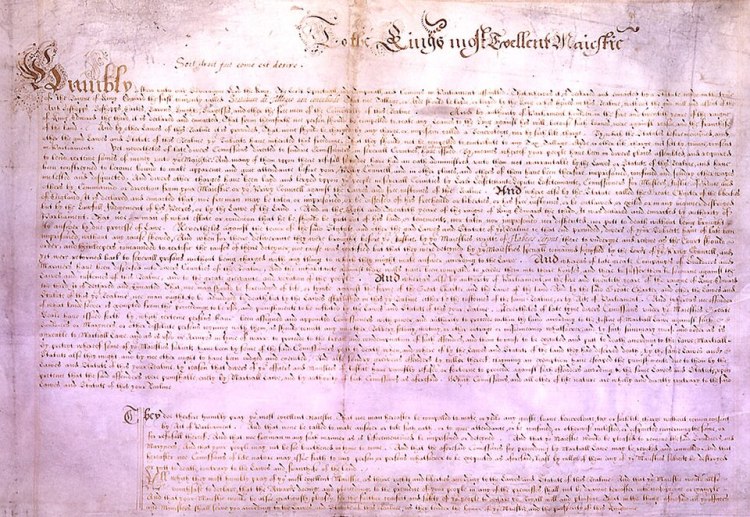
And also sundry grievous offenders, by colour thereof claiming an exemptions…
From The Petition of Right, that sets out specific liberties of the subject that the king is prohibited from infringing.
When I was a child, I spake as a child, I understood as a child, I thought as a child: but when I became a man, I put away childish things.
1 Corinthians 13:11
Whosoever shall not receive the kingdom of God as a little child shall in no wise enter therein.
Luke 18:17
For now we see through a glass, darkly; but then…
1 Corinthians 13:12
…but whether there be prophecies, they shall fail…
1 Corinthians 13:8
It is true and most certain, free from all falsehood: what is above is like what is below, and what is below is like that which is above and through it are created the miracles of the one thing
From The Emerald Tablet of Hermes Trismegistus, a text much revered by alchemists.
…who useth divination, or an observer of times, or an enchanter, or a witch
Deuteronomy 18:10
Tempora mutantur, nos et mutamur in illi.
Times are changed; we also are changed with them. A sort of proverb which is a variation on Ovid, but gained popularity in the 16th Century German Reformation.
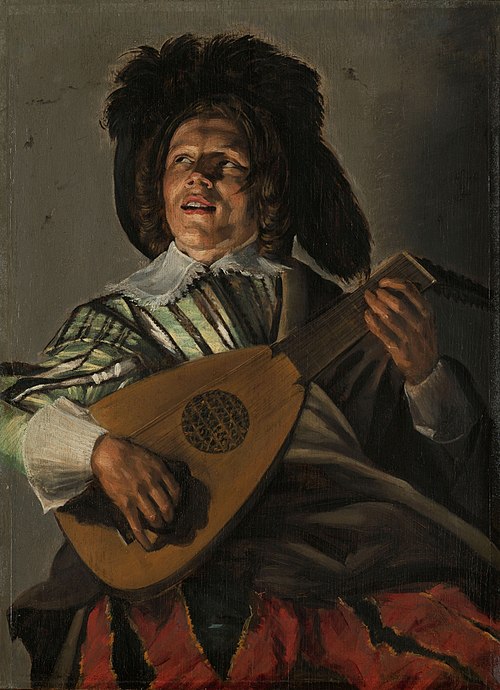
Rijksmuseum via Wikimedia Commons
Procure me music ready when he wakes,
To make a dulcet and a heavenly sound;
And if he chance to speak, be ready straight
And with a low submissive reverence
Say…
From Taming of the Shrew by William Shakespeare, Prologue, Scene One.
…he has everything that an honest man should not have; what an honest man should have, he has nothing.
From All’s Well That Ends Well by William Shakespeare, Act Four, Scene Three.
What are these ships but tennis balls for the winds to play withal?—toss’d from one wave to another; now under-line, now over the house; sometimes brick-wall’d against a rock, so that the guts fly out again.
From Eastward Ho! by Ben Jonson, George Chapman, and John Marston, Act Two, Scene Two.
Lustily, Lustily, Lustily let us sail forth
The wind trim doth serve us, it blows at the north
All things we have ready, and nothing we want,
To furnish our ship that rideth hereby?
From Common Conditions an anonymous play which was an Elizabethan comedy from 1576.

Artist Unknown via Wikimedia Common
We fear no enemies, we have escaped them oft;
of all ships that swimmeth she beareth the bell…
Also from Common Conditions an anonymous play which was an Elizabethan comedy from 1576.
Render therefore unto Caesar the things which are Caesar’s, and unto the Lord the things that are the Lord’s.
Matthew 22:21, Mark 12:17, Luke 20:25 – a slight paraphrase as the originals have ‘God’ not ‘the Lord’.
And all the people of the land rejoiced, and blew with trumpets: and Athaliah rent her clothes, and cried, Treason, Treason.
2 Kings 11:14.
A fortress foiled, which reason did defend,
A siren song, a fever of the mind…
From A Farewell to False Love by Sir Walter Raleigh
There was a maid, richly arrayd,
In robes were rare to see,
For seven years and something mair
She servd a gay ladie.
From Blancheflour and Jellyflorice, a ballad from the Child collection.
That man in my opinion is cowardly and base, and deserves neither the name of a gentleman nor a soldier…
Allegedly the words found on John Felton and maybe a paraphrase of something in The Golden Epistles translated by Sir Geoffrey Fenton from Jean de Guterry’s French version of the Epistolas Familiares of Antonio de Guevara.
You fear me to be a unicorn?
This is referencing Job 39:9-10 – Will the unicorn be willing to serve thee, Or abide by thy crib? Canst thou bind the unicorn with his band in the furrow? Or will he harrow the valleys after thee? Other versions use ‘wild ox’ instead of unicorn.
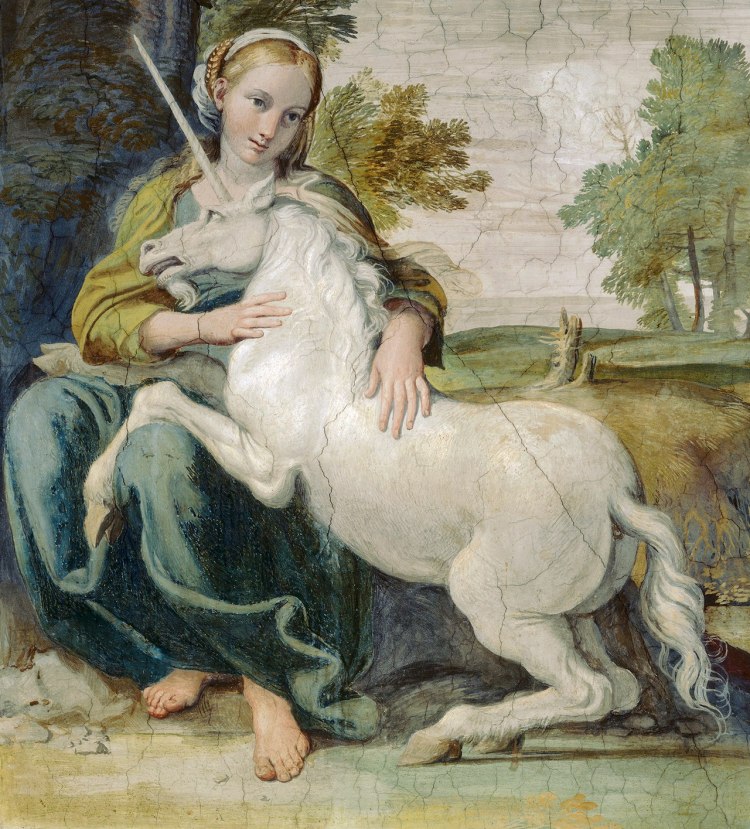
Palazzo Farnese collection via Wikimedia Commons
Wilt thou trust him, because his strength is great?
Or wilt thou leave thy labour to him? Wilt thou believe him, that he will bring home thy seed, And gather it into thy barn?
Job 39:11-12
Rejoice, O ye nations, with his people: for he will avenge the blood of his servants, and will render vengeance to his adversaries, and will be merciful unto his land, and to his people.
Deuteronomy 32:43
My beloved is unto me as a cluster of camphire in the vineyards of Engedi.
Song of Solomon 1:14
My beloved is gone…
Song of Solomon 6:2
Until the day breaks, and the shadows flee away…
Song of Solomon 2:17 and 4:6
The son of a woman of the daughters of Dan, and his father was a man of Tyre, skilful to work in gold, and in silver, in brass, in iron, in stone, and in timber, in purple, in blue, and in fine linen, and in crimson…
2 Chronicles 2:14
And now I have sent a cunning man, endued with understanding
2 Chronicles 2:13
To every thing there is a season, and a time to every purpose under the heaven.
Ecclesiastes 3:1
A time to get, and a time to lose; a time to keep, and a time to cast away
Ecclesiastes 3:6
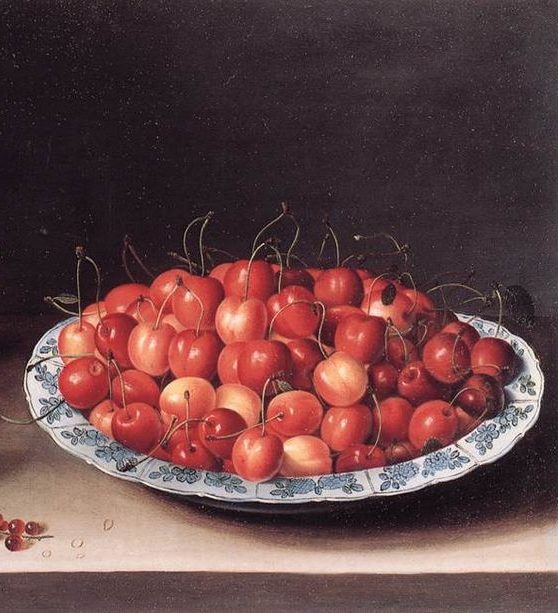
Norton Simon Museum via Wikimedia Commons
I have a young sister, far beyond the sea
Many are the treasures that she sent to me
She sent me a cherry without any stone
And she sent a white dove without any bone…
I have a Young Sister is a traditional folk song that exists in various similar versions and dates back at least to the 15th Century.


